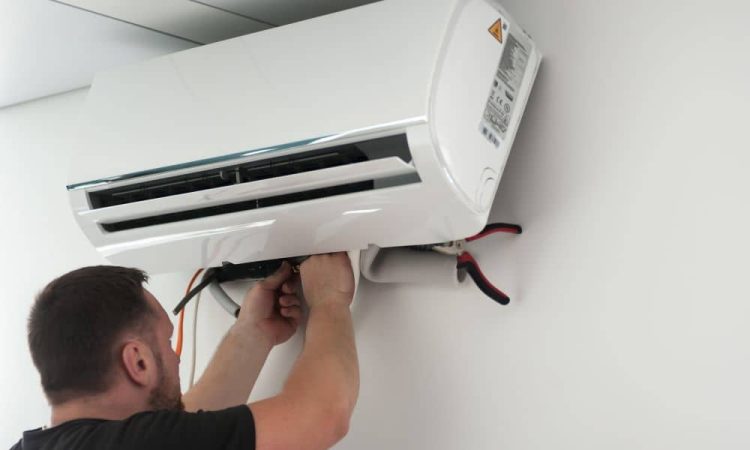
Many homes gain reliable indoor cooling through careful appliance placement and sound setup. People often search for practical ways to support stronger airflow and steady function. Using the right approach allows better climate control across various spaces. Careful choices reduce strain on units while boosting seasonal performance. Early planning helps prevent common errors that affect long-term use. Fitting units properly with skilled guidance improves airflow stability. Smart steps reduce repair needs and raise overall value. Applying patient planning builds stronger outcomes for each space. Choosing trusted services such as air conditioning grafton ensures smoother progress.
Choosing the Wrong Size
Many people choose a unit without checking the cooling demand. This creates strain that affects daily use. A small model cannot support large areas, while a large one increases energy bills across warmer seasons.
Ignoring Placement Needs
Positioning affects airflow strength, system noise, and general output. Placing units in obstructed corners reduces circulation. Keeping the area open allows steady flow and smoother indoor temperature control during intense weather changes.
Skipping Load Assessment
Proper load checks guide correct selection. Without this step, the system works harder than required. Trained experts assess usage needs, insulation quality, and heat sources to match the right unit to the space.
Using Weak Electrical Support
Every system needs strong electrical supply lines to work safely. Poor wiring creates sudden interruptions. Certified technicians check voltage quality, rating requirements, and safety limits to maintain dependable performance throughout the year.
Avoiding Drainage Planning
Drain lines remove moisture created during cooling. Poor placement causes leaks. Correct drainage routes prevent water buildup and protect indoor surfaces from unnecessary moisture damage.
Overlooking Duct Condition
Old ducts waste air through small gaps. Cleaning and sealing ducts ensures stronger circulation. Renewing worn sections raises system output while lowering energy use across long warm periods.
Placing the Outdoor Unit Incorrectly
Outdoor components need open surroundings. Tight spaces reduce the release of warm air and burden the system. Keeping the area clear supports smoother operation and longer equipment life.
Neglecting Regular Inspection
Every unit needs routine checks. Early reviews detect noise, weak flow, and temperature shifts. Regular attention limits strain and improves daily usage.
Avoiding Quality Accessories
Using reliable accessories keeps the unit steady. Strong brackets, tested wires, and sturdy covers support smoother operation. Quality items also reduce sudden breakdowns during peak use.
Strong planning supports installation success and prevents future trouble. Checking size needs, placement rules, and airflow helps create balanced cooling for daily use. Choosing trained workers makes each step smoother. Reviewing electrical lines, drainage paths, and ducts enhances long-term functioning. Outdoor parts require free space, while indoor units benefit from correct alignment. Good accessories complete the setup and maintain safe performance. With careful care and trusted service providers, including air conditioning grafton, people build stable cooling systems that serve well through many seasons.
FAQs
What size unit is suitable for a room
Choose a unit that matches cooling demand based on room area and insulation level.
Why is placement important?
Good placement improves airflow and keeps the system working smoothly without strain.
How often should maintenance be done?
Basic checks at regular intervals help prevent failures and extend system life.